
Today’s guide is about the best zoom binoculars. These are powerful, flexible tools designed to bring distant scenes closer with just a simple adjustment. The appeal of being able to zoom in and out on demand is hard to ignore, whether you’re watching wildlife on safari, tracking birds in flight, or taking in far-off landscapes. It feels like having multiple binoculars in one, ready to adapt to whatever the moment presents.
But here’s the catch: with so many models on the market boasting higher magnification and wider ranges, choosing the best zoom binoculars can quickly become overwhelming. Not all zoom binoculars are created equal, and the difference between a great pair and a disappointing one often comes down to factors most people overlook.
That’s exactly why this guide exists. It will help cut through the noise and help you understand what really matters. At the end of this review, you’ll have a clear, practical idea of how to choose the best zoom binoculars for your needs, so you can invest with confidence and truly enjoy every view.
What Are Zoom Binoculars and How Do They Work?
Zoom binoculars are a type of optical device designed to let you adjust magnification levels within a single pair of binoculars. Instead of being locked into one fixed magnification (like 8x or 10x), they allow you to “zoom in” and “zoom out” depending on how close you want your subject to appear. For example, you might scan a wide landscape at a lower power, then gradually increase magnification to focus on a distant animal, bird, or object.
This flexibility is made possible through a variable magnification system inside the optical barrel. By adjusting a zoom lever or ring, internal lens elements shift position, changing the magnification range. While this sounds ideal in theory, it’s important to note that image brightness, sharpness, and stability can change as you zoom, especially at higher magnifications.
Perks of Zoom Binoculars
Zoom binoculars are incredibly versatile. This allows you to switch between wide views and close-up detail using a single device. This makes them especially useful for activities like safari, hiking, and travel where distances constantly change.
They are also cost-effective and convenient, since one pair can handle multiple viewing needs instead of requiring separate binoculars. This reduces both gear load and overall expense.
Another key benefit of the best zoom binoculars is real-time adaptability. You can quickly adjust magnification depending on what you’re observing, whether scanning a wide landscape or focusing on a distant subject.
With this in mind, let’s now get into the best zoom binoculars.
Best Zoom Binoculars
1) Celestron 15-35×70 Binoculars
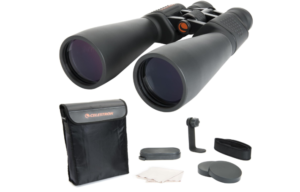
The Celestron SkyMaster 15-35×70 Binoculars are powerful, large-aperture binoculars designed for serious long-distance observation and astronomy. They are what you need if you need extreme magnification and light-gathering capability.
At the heart of their performance is a powerful 15–35x zoom system paired with massive 70mm objective lenses. This combination allows users to switch between a wider field of view and highly detailed close-up observation of distant subjects.
Optically, the SkyMaster binoculars feature BaK-4 prisms, which are known for delivering excellent light transmission and sharp image quality. This makes them especially effective in low-light conditions such as dawn, dusk, or nighttime astronomy.
Durability is also well considered in the design. The rubber-armored housing provides a secure, comfortable grip while protecting the internal optics from bumps and minor impacts. Additionally, the water-resistant construction ensures the binoculars can withstand unexpected weather changes.
The included ¼”-20 tripod adapter allows for quick and easy mounting on most standard tripods, further enhancing stability and usability. All these amazing features make them the best zoom binoculars without a doubt.
Pros
- Extremely powerful magnification range
- Excellent light performance for low-light and nighttime use
- Sharp and detailed image quality with BaK-4 prisms
- Tripod-ready for stable viewing
- Durable and weather-resistant construction
- Great value for entry-to-mid-level astronomy users
Cons
- Requires tripod for best performance (not handheld-friendly)
2) Nikon Action Zoom 10-22×50 Binoculars
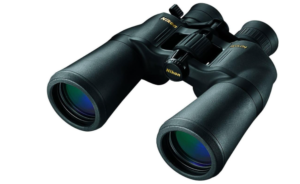
The Nikon Action Zoom 10-22×50 Binoculars are the second product on our review. With their adjustable magnification and solid construction, they are well-suited for everything from wildlife observation to long-distance scanning and outdoor exploration.
One of their standout features is the 10–22x zoom capability, which allows users to smoothly transition from wide-angle viewing to powerful close-up detail.
The easy-to-reach zoom lever makes adjustments quick and intuitive, letting you change magnification without taking your eyes off the subject. This makes them especially useful when tracking moving wildlife, following action at sporting events, or scanning landscapes where conditions change rapidly.
When it comes to optics, they do not disappoint. The binoculars are equipped with large 50mm objective lenses that gather ample light, producing bright and immersive images from dawn through dusk.
Nikon’s multilayer-coated optics help reduce glare and improve contrast, delivering vibrant, natural-looking colors even in challenging lighting conditions. On top of that, the traditional Porro-prism design leads to excellent depth perception and a rich, three-dimensional viewing experience that enhances situational awareness.
The Action Zoom series also excels in terms of rugged build quality. The binoculars are built from a tough yet lightweight aluminum alloy body that provides strong protection against accidental drops and impacts.
What’s more? The exterior is wrapped in textured rubber armor, ensuring a secure, non-slip grip in both wet and dry conditions while also adding an extra layer of shock resistance. This makes them reliable companions for demanding outdoor use.
Pros
- Highly versatile zoom range for different viewing scenarios
- Bright and clear optics with strong color reproduction
- Comfortable and intuitive zoom control
- Excellent depth perception from Porro-prism system
- Durable and well-protected body design
- Good low-light performance thanks to large objective lenses
Cons
- Bulkier than non-zoom binoculars
- Image stability can decrease at higher zoom levels
3) Pentax UP 8-16×21 Green Binoculars
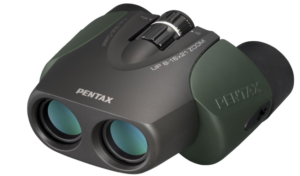
The Pentax UP 8-16×21 Green Binoculars are compact, stylish zoom binoculars designed for users who want portability without sacrificing optical performance. They are lightweight, easy to carry and well suited for travel, casual wildlife viewing, sports events, and everyday outdoor use where convenience matters as much as clarity.
As another candidate for best zoom binoculars, they benefit from fully multi-coated lenses that maximize light transmission across all optical surfaces. This advanced coating system helps reduce unwanted reflections and internal scattering, resulting in a cleaner, more vibrant image. The result is a viewing experience that maintains clarity and brightness even when lighting conditions are less than ideal.
A key design strength of the UP series is its Uni-body construction, which integrates the objective lenses into a single rigid housing. This reduces internal movement and improves structural stability, ensuring that the optical alignment remains consistent over time. The synchronized eyepiece mechanism also contributes to smooth operation, making adjustments feel controlled and precise rather than loose or fragmented.
Another important addition is the use of aspherical lens elements, which significantly improve image sharpness toward the edges of the viewing field. This means the scene remains consistently clear across the entire frame, not just at the center. Combined with the 8–16x zoom capability, users can easily shift from a wider overview to a more detailed inspection of distant subjects without losing visual quality.
In addition to performance, Pentax has also emphasized style and portability. The UP series is available in distinctive color options, giving users a more personalized aesthetic compared to traditional binocular designs. A carrying case and strap are also included, adding convenience and protection for everyday transport.
Pros
- Very portable and travel-friendly
- Smooth zoom functionality for versatile use
- Sharp image quality across the entire field of view
- Durable design with fewer internal moving parts
- Attractive styling options
- Good value for casual and intermediate users
Cons
- Smaller 21mm lenses limit low-light performance
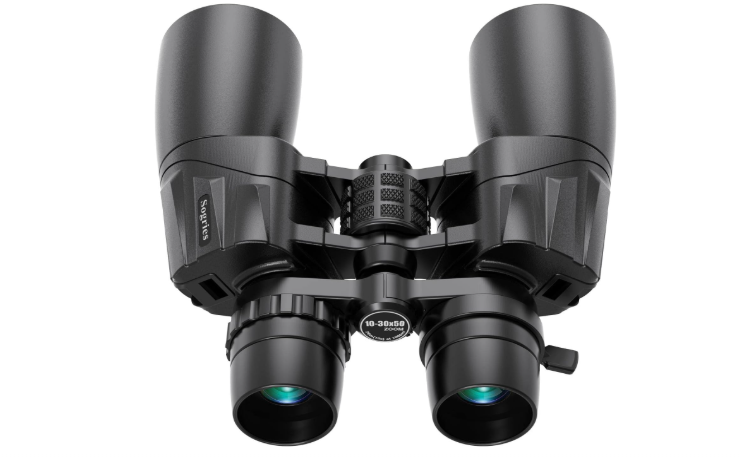
4) Sogries 10-30×50 Zoom Binoculars
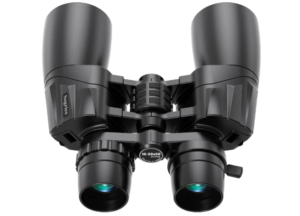
With a bold 10–30x zoom range and large 50mm objective lenses, the Sogries 10-30×50 are crafted to bring distant subjects dramatically closer, revealing detail that would otherwise be lost to the naked eye.
They rely on BAK-4 prisms paired with FMC multi-coated broadband green film to deliver high-contrast, color-accurate images. Light transmission is impressively high, producing crisp visuals with reduced glare and improved clarity.
Because of their powerful zoom system and metal barrel construction, these binoculars are best appreciated with added stability. A tripod is recommended for extended high-magnification use, where even slight hand movement can affect image steadiness. The smooth zoom joystick allows effortless transitions between magnification levels, making it easy to shift from wide-area scanning to tight, detailed observation in seconds.
Built for real-world conditions, the Sogries binoculars feature a rugged rubber-armored exterior with a non-slip texture that improves grip security during extended use. This easily makes them one of the best zoom binoculars.
O-ring sealing and anti-fog protection help block out moisture, dust, and debris, enhancing durability in changing weather conditions. Their waterproof and shock-resistant design makes them suitable for outdoor adventures ranging from travel and sports to sailing and wildlife observation.
Comfort has also been thoughtfully considered. Adjustable eyecups and flexible eye relief settings ensure a good viewing experience for both glasses and non-glasses users. The folding design helps with quick focusing and portability, while the ergonomic body shape makes them easier to hold during short handheld sessions.
All these combined with a wide range of use cases from birdwatching to stargazing, these binoculars position themselves as a versatile all-rounder for enthusiasts who want reach, flexibility, and convenience in one device.
Pros
- Very powerful zoom range with detailed long-distance viewing
- Bright, high-contrast optical performance
- Comfortable and adjustable for different users
- Durable, weather-resistant construction
- Versatile for multiple outdoor and indoor uses
- Smooth and responsive zoom control
Cons
- Requires tripod for best stability at high magnification
- Bulkier and heavier than compact binoculars
5) Nikon Sportstar Zoom 8-24×25 Binoculars
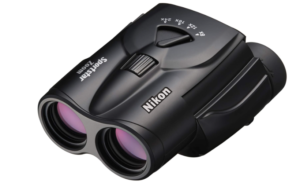
The Nikon Sportstar Zoom 8-24×25 binoculars are compact, lightweight, and easy to carry. They easily slip into a bag or pocket, they are well suited for sports events, travel, concerts, and casual outdoor observation where convenience matters just as much as performance.
A standout feature is the smooth 8–24x zoom system, operated through a specially designed lever that makes changing magnification feel effortless. Instead of stiff or jumpy adjustments, the zoom action is fluid, allowing you to quickly shift from a wider scene to a closer view as the moment unfolds. This makes them particularly handy when following moving subjects or switching focus between near and distant details.
Image quality is enhanced by multilayer-coated lenses and prisms, which help reduce reflections and improve light flow through the optics. The result is a clearer, more balanced view with better contrast, especially in bright daylight conditions. While the 25mm lenses keep the overall size compact, they still provide respectable brightness for general daytime use.
Comfort is another area where these binoculars perform well. The turn-and-slide rubber eyecups allow users to quickly adjust eye positioning for a more natural and steady view, whether wearing glasses or not.
Combined with their lightweight construction, they are easy to hold for long periods without strain, making them ideal for relaxed, on-the-go use. All these attributes cement them as one of the best zoom binoculars.
Pros
- Very portable and easy to carry anywhere
- Smooth and responsive zoom control
- Clear and balanced image in daylight conditions
- Comfortable eyecups for extended use
- Great for travel, sports, and casual viewing
- Lightweight build reduces hand fatigue
Cons
- Not strong in low-light or night conditions
6) MLight 10-30×50 Zoom Binoculars
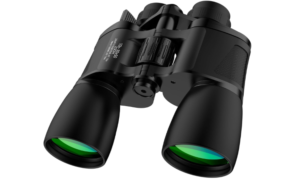
Next up is the MLight 10-30×50 zoom binoculars. With a 10–30x zoom range and large 50mm objectives, they are designed to bring distant scenes significantly closer while still maintaining a clear, detailed view.
Inside, the optical system combines BAK-7 prisms with FMC multi-layer anti-reflective coatings, helping to push light through the lenses more efficiently. This improves brightness and contrast while keeping distortion low, especially during early morning or late evening use. While they are not intended for total darkness, they perform well in dim environments such as dusk or dawn, where many binoculars start to struggle.
A key highlight is the oversized 22mm eyepiece design, which allows more light into the viewing path and creates a more open, immersive experience. Soft silicone eyecups add a layer of comfort by reducing pressure around the eyes, making longer viewing sessions easier and less tiring. This ergonomic approach makes them suitable for extended outdoor use, from birdwatching trips to travel excursions.
Focusing is straightforward and intuitive. A central adjustment wheel works alongside a diopter control on the right eyepiece, allowing each eye to be fine-tuned independently. This helps reduce double imaging and ensures a sharper, more balanced picture even for users with slightly uneven vision. Once set, switching between subjects feels quick and natural.
Built for rugged environments, these binoculars feature an IP67 waterproof rating with O-ring sealing that keeps out moisture, dust, and debris. The anti-fog construction supports clear viewing in changing temperatures, while the rubber-armored exterior improves grip and absorbs minor impacts. This makes them a dependable companion for unpredictable outdoor conditions, from mountain trails to coastal trips.
Pros
- Strong zoom range suitable for long-distance viewing
- Comfortable eyepiece design for extended use
- Good brightness and contrast in low-light conditions
- Easy focusing system with eye balance adjustment
- Rugged, weather-resistant build
Cons
- Image stability decreases at maximum zoom without support
7) Celestron-Up Close G2 10- 10-30×50 Binoculars
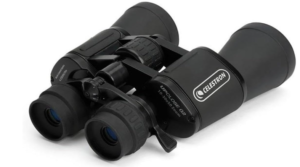
Last but not last is another masterpiece from Celestron. These binoculars are for sure made with durability in mind. The aluminum body is reinforced with rubber armor, giving it a solid, impact-resistant feel while also improving grip security. The water-resistant construction helps protect the internal components from light rain and unpredictable outdoor conditions, making them reliable companions for field use.
When it comes to versatility, they are not left out. The 10–30x magnification range and large 50mm lenses mean they are built to handle everything from wide scenic viewing to detailed long-distance observation, making them suitable for wildlife watching, travel, and outdoor events.
A key advantage of this model is its ability to gather ample light through its 50mm objective lenses. This results in noticeably brighter and more detailed images, especially when viewing at a distance or in softer lighting conditions. Despite their size, the design remains reasonably portable, allowing for handheld use in most situations, while still offering the option of tripod support for more stable high-zoom viewing.
Image quality is further supported by multi-coated optics, which help reduce internal reflections and enhance contrast. Colors appear more natural and well-balanced, while overall brightness is improved across the zoom range. This makes the binoculars more enjoyable to use in varied lighting environments, from bright daylight to overcast skies.
To add convenience, the binoculars come with useful accessories including a soft carrying case and an integrated neck strap. These extras make transport easier and help protect the optics when not in use, adding value straight out of the box.
Pros
- Bright and clear image quality with good light gathering
- Versatile zoom range for different viewing distances
- Durable and comfortable grip design
- Suitable for both casual and outdoor use
- Include useful accessories included
Cons
- Image stability decreases at higher zoom levels without a tripod
Choosing the Best Zoom Binoculars
Choosing the best zoom binoculars isn’t just about picking the highest magnification. It’s about balancing performance, comfort, and real-world usability. Here are seven key factors you should carefully think through before making a decision.
Magnification Range
Zoom binoculars typically offer a variable range like 8–24x or 10–30x, which sounds impressive on paper. But higher magnification isn’t always better. As you zoom in, image stability decreases and even slight hand movements become exaggerated. In real-world use, especially for birding or safari, you’ll often find the lower end of the zoom range more practical. A well-balanced zoom range gives you flexibility without sacrificing usability.
Optical Quality and Glass Coatings
This is where many zoom binoculars either shine or fall short. High-quality glass combined with multi-coated or fully multi-coated lenses ensures better light transmission, sharper images, and reduced glare. Poor coatings can make images look dull or hazy, especially in low-light conditions like early morning game drives. Good optics don’t just magnify, they enhance clarity and color accuracy.
Objective Lens Size
The objective lens (the front lens) is another aspect to have in mind when scouring for the best zoom binoculars. It plays a huge role in brightness. Larger lenses like 42mm or 50mm allow more light in, making images brighter and clearer, particularly in low-light situations. However, larger lenses also mean heavier binoculars. It’s all about finding the sweet spot between brightness and portability for your intended use.
Ease of Use and Stability
Zoom binoculars can be tricky to handle, especially at higher magnifications. The more you zoom in, the harder it is to keep the image steady without support. The best zoom binoculars should have smooth zoom controls and ergonomic design. In many cases, using a tripod or monopod becomes essential if you plan to frequently use the higher zoom levels.
Field of View
A wider field of view allows you to see more of the scene at once, which is crucial for tracking moving subjects like birds or wildlife. One downside of zoom binoculars is that the field of view narrows as you increase magnification. This can make it harder to locate and follow subjects, so it’s important to choose a model that maintains a reasonably wide view at lower magnifications.
Build Quality
If you’re planning to use your binoculars outdoors, durability matters. Look for features like rubber armor for grip and shock resistance, as well as waterproof and fog-proof construction. These ensure your binoculars can handle dust, moisture, and changing weather conditions without compromising performance.
Ergonomics
Finally, consider how the binoculars feel in your hands. Heavier models with large lenses can become tiring during extended use. Comfortable grip, adjustable eyecups, and proper balance make a big difference, especially during long viewing sessions. If the binoculars aren’t comfortable, you simply won’t use them as much no matter how powerful they are. The best zoom binoculars should be comfortable and seamless to use.
Best Zoom Binoculars FAQs
Are Zoom Binoculars Better than Fixed Magnification Binoculars?
Not necessarily. This is where many people get it wrong. Zoom binoculars offer flexibility, allowing you to adjust magnification depending on what you’re viewing. However, fixed magnification binoculars usually provide better image clarity, wider field of view, and more stability. Zoom models are great for versatility, but if optical performance is your top priority, fixed binoculars often win.
Are Zoom Binoculars Good for Birding and Safari?
They can be useful, but they’re not always the top choice. For birding and safari, quick target acquisition, brightness, and a wide field of view are crucial: areas where fixed binoculars often outperform zoom models. That said, zoom binoculars can still be great for general wildlife viewing, especially when you want the flexibility to switch between scanning wide areas and zooming in on distant subjects.
Do Zoom Binoculars Perform Well in Low Light?
Generally, they are not as strong in low-light conditions compared to fixed binoculars. As you increase magnification, the image often becomes dimmer because less light reaches your eyes. That’s why factors like larger objective lenses and good lens coatings become especially important if you plan to use them at dawn, dusk, or in shaded environments.
Do I Need a Tripod for Zoom Binoculars?
Yes, a tripod can make all the difference if you plan to use higher magnifications frequently. At higher zoom levels, even small hand movements cause noticeable shaking. While lower magnifications can be handheld, a tripod or monopod helps you get the full benefit of the zoom without losing image stability.
Also Read:
Conclusion
Finding the best zoom binoculars isn’t always easy. There are so many options, and not all of them deliver what they promise. It’s easy to get caught up in high magnification numbers, but the right choice really comes down to balance, usability, and overall viewing experience.
Hopefully, this guide has helped simplify things and given you a clearer idea of what to look for. With the right information, choosing a pair that truly fits your needs becomes much easier and far more rewarding.